Pan de Muerto: The Iconic Bread of Day of the Dead in Mexico
The sweet secrets of Pan de Muerto: where it comes from, what each part of it means, and why it belongs on every Day of the Dead altar.
Hello friends! It’s October!
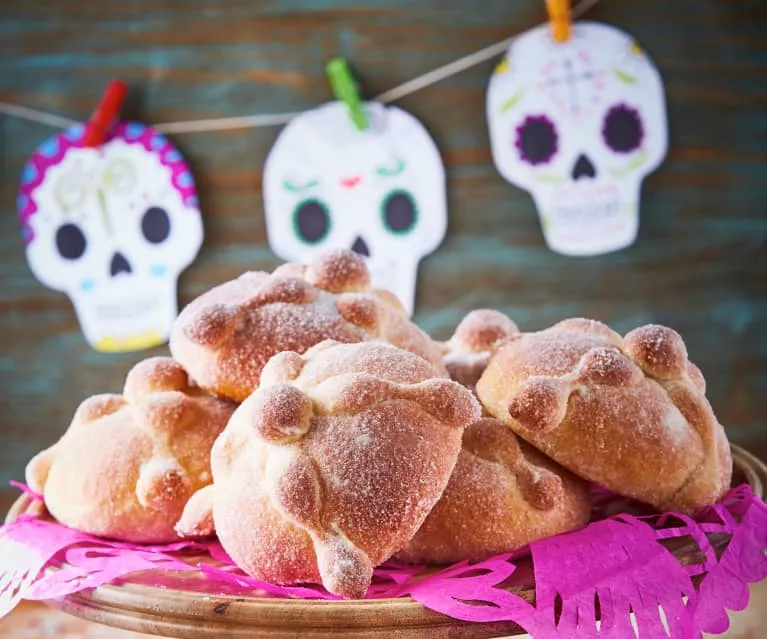
Ok, we may already be a week or so into it, but in true Trish fashion, I’m a bit late to the game. But MAINLY because I’ve been so busy planning my Día de los Muertos Merida trip! I’m so excited. But with all of the hard work, I am still finding time to enjoy this month’s traditions…. Mainly by eating Pan de Muerto (don’t tell my trainer!).
So if you’ve been following me for a while now, you should know by now that Day of the Dead, or Día de los Muertos, is a vibrant and beloved holiday in Mexico that honors and celebrates the lives of departed loved ones. While there are many traditions associated with this festive occasion, one element stands out: the iconic Pan de Muerto, a deliciously sweet bread that holds a significant cultural meaning.
The other day as I was enjoying a piece, I thought to myself “why pan de muerto? What does it symbolize?” So I avoided what I should have been doing (finalizing trip plans!) and went down the rabbit hole of pan de muerto research… This is what I found!
1. A Tradition Spanning Centuries
Pan de Muerto has been an integral part of Day of the Dead celebrations in Mexico for centuries. Its origins can be traced back to ancient Mesoamerican cultures, where offerings of food were a common ritual during funeral ceremonies. Over time, these offerings evolved into the bread we know today, representing an essential gesture of love towards the deceased.
2. Symbolism in Every Bite
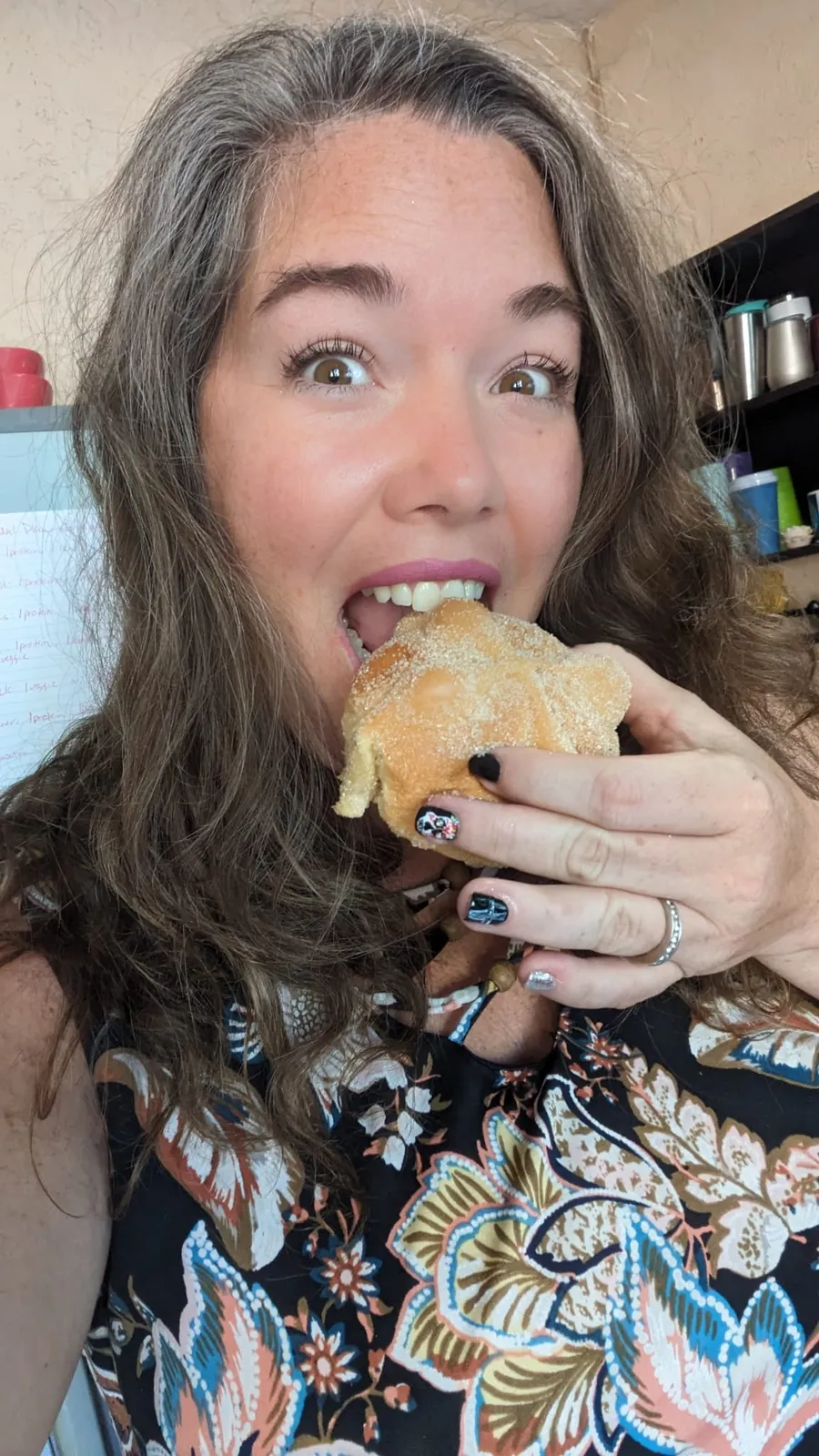
Pan de Muerto holds deep symbolism in its unique shape and decorative elements. The round shape symbolizes the Circle of Life, representing the cyclical nature of existence. The knob at the center, known as the cabecita (little head), signifies the skull or a tombstone, reminding us of mortality. The intersecting pieces of dough symbolize the bones and tears shed for those who have departed. The yummy toppings made of sugar or sesame seeds represent the soil covering the graves.
3. Flavors to Savor
While the symbolism is amazing, the taste is what truly gets ya coming back for more. Pan de Muerto is a sweet bread flavored with hints of citrus and spices like anise and cinnamon. Each bite is the perfect balance of subtle flavors, creating a unique taste experience. Whether enjoyed plain, dunked in hot chocolate (dunked in hot cocoa is my preference!), or as part of a Day of the Dead altar offering, it is a treat that delights the senses.
4. Baking and Beyond
The process of making Pan de Muerto is a cherished tradition passed down through generations. Families, bakeries, and local markets come alive with the fragrance of freshly baked bread during the holiday season. The dough is carefully kneaded, shaped into the distinctive round loaf, and adorned with strips of dough and bone-shaped decorations. Its preparation is not only a culinary experience but also a way for families to come together, preserving and passing on their cultural heritage.
5. Pan de Muerto and Day of the Dead
During Day of the Dead festivities, Pan de Muerto holds a special place on the altars created to honor deceased loved ones. Visitors place these beautifully adorned loaves alongside other traditional offerings such as marigold flowers, candles, photographs, and favorite foods of the departed. It is believed that the essence of the bread helps guide the spirits of the departed back to their families for a joyful reunion.
Pan de Muerto is much more than a treat; much like most elements present during this time of year, it is a cherished tradition that embodies the spirit of Day of the Dead in Mexico. Through its unique shape, flavors, and symbolism, it allows families to connect with their roots, honor their ancestors, and celebrate the cycle of life! How beautiful is that?
So, the next time you see or taste a Pan de Muerto, remember the rich heritage and culture behind it.
Enjoy this amazing time of year in Mexico, friends! See you in Merida! 🙂
Questions about Puerto Morelos?
Renting, buying, moving or just visiting: write to Trish and she'll be glad to help.
Write to Trish